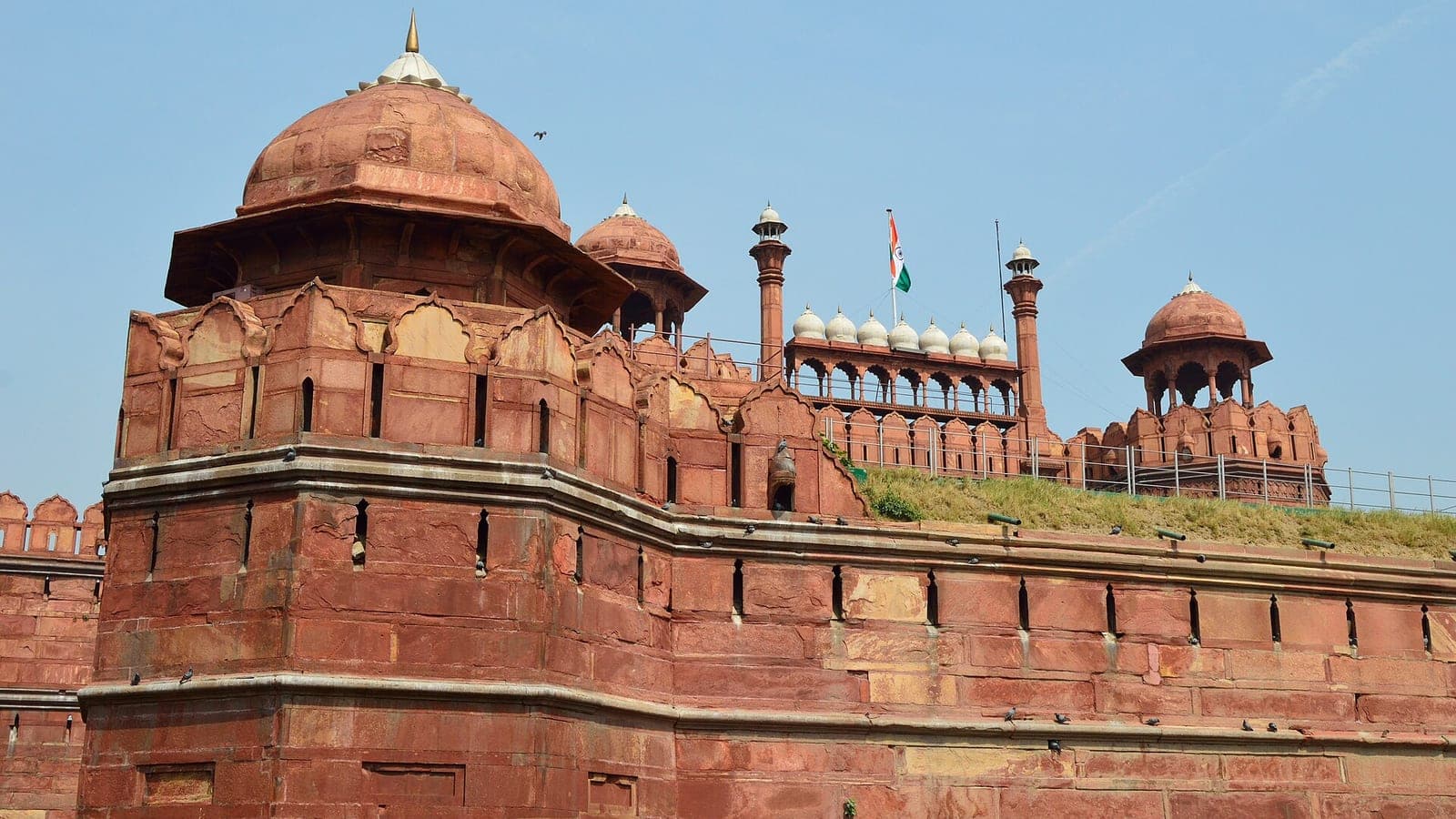
1648 · SHAHJAHANABAD
Red Fort लाल क़िला
Seat of the Mughal capital; the address to the nation is still delivered from its ramparts every Independence Day.
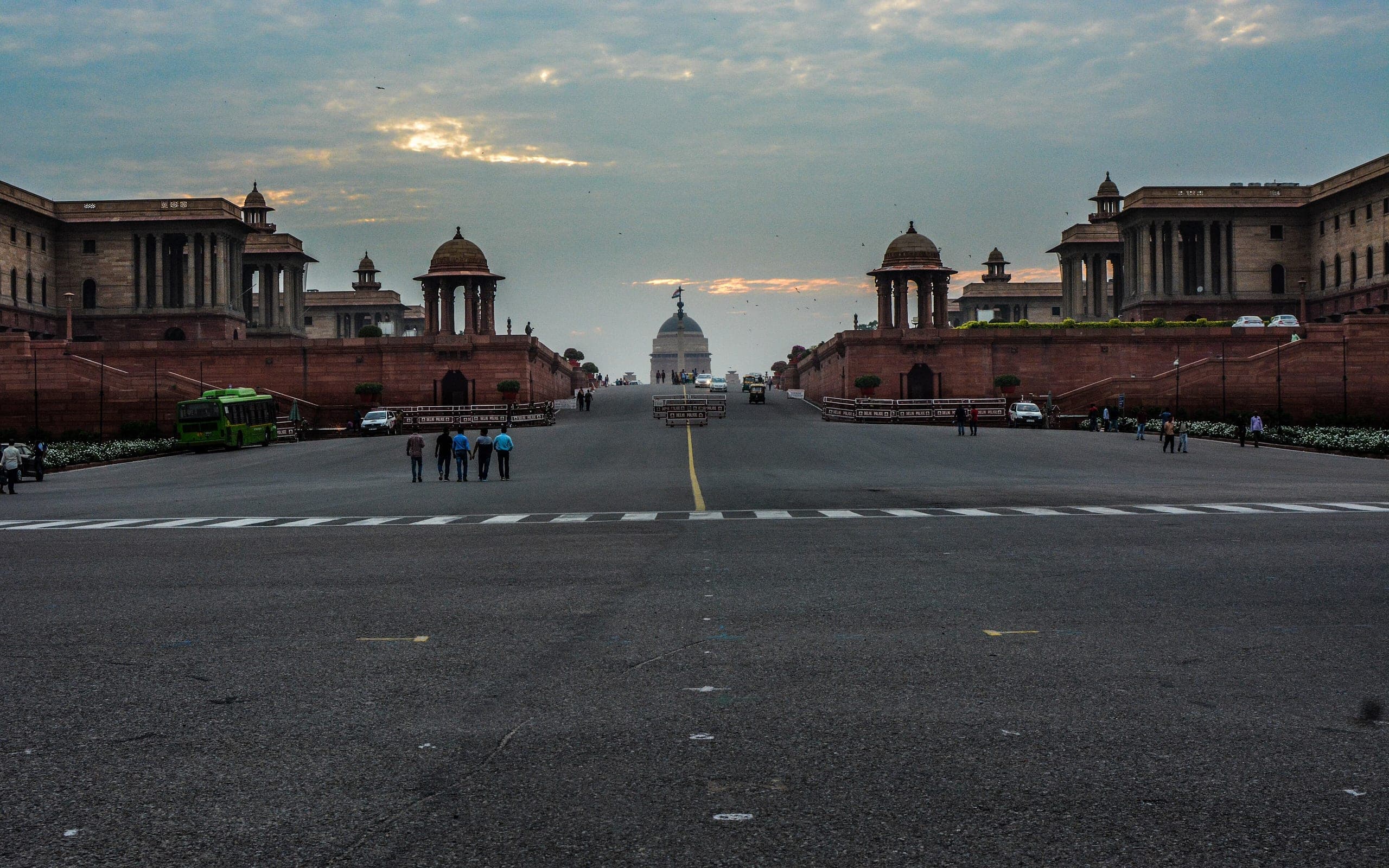
Seventeen centuries of continuous settlement, and the fastest-electrifying megacity in India — held on the same map. This is the Delhi government's open record.
Delhi is doing two things at once — protecting seventeen centuries of layered heritage, and executing one of Asia's most aggressive clean-transport transitions. Most cities attempt one. This page puts both on a single timeline, with the numbers attached.
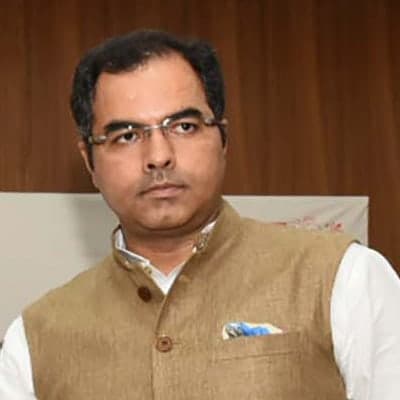
The government sworn in February 2025, and the portfolios through which Delhi is run.
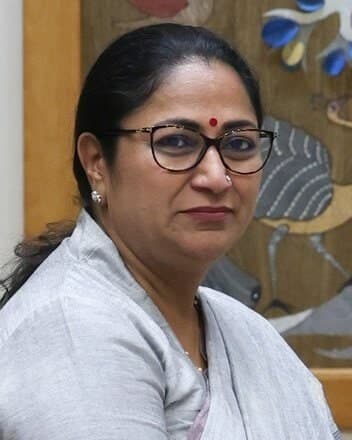
“Delhi is moving rapidly towards a smart, green and sustainable public transport system.”
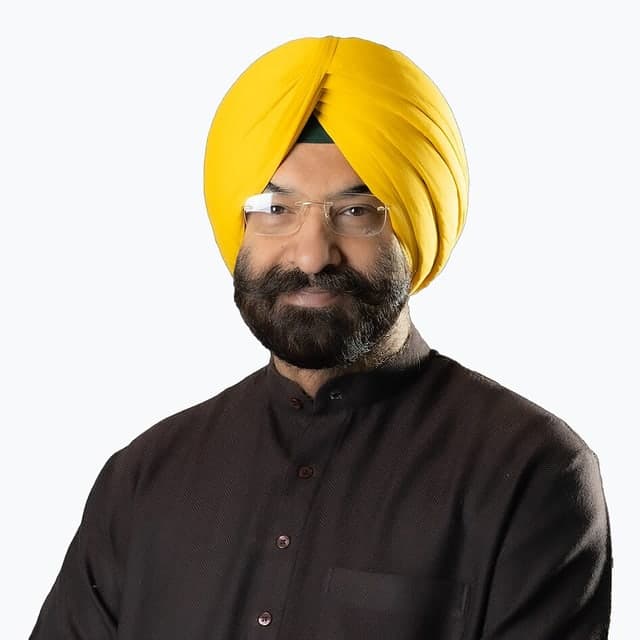
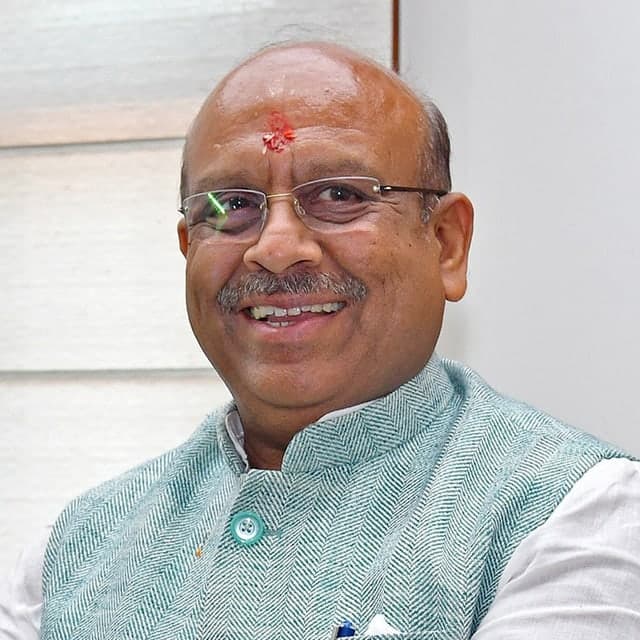
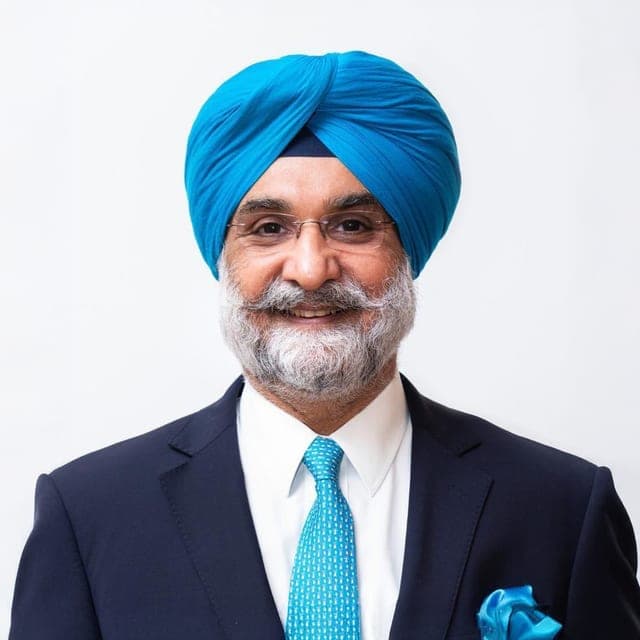
The four pillars the 2026–27 budget rests on. Drag the handle to compare.
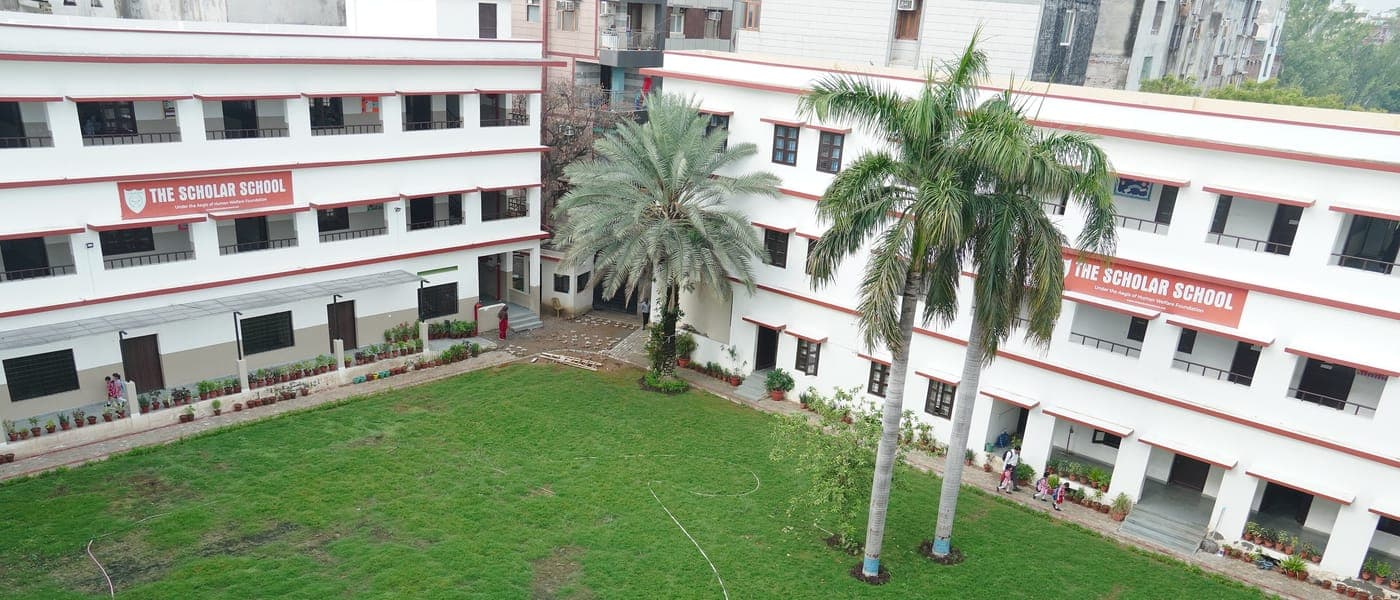 The Scholar School, Jamia Nagar
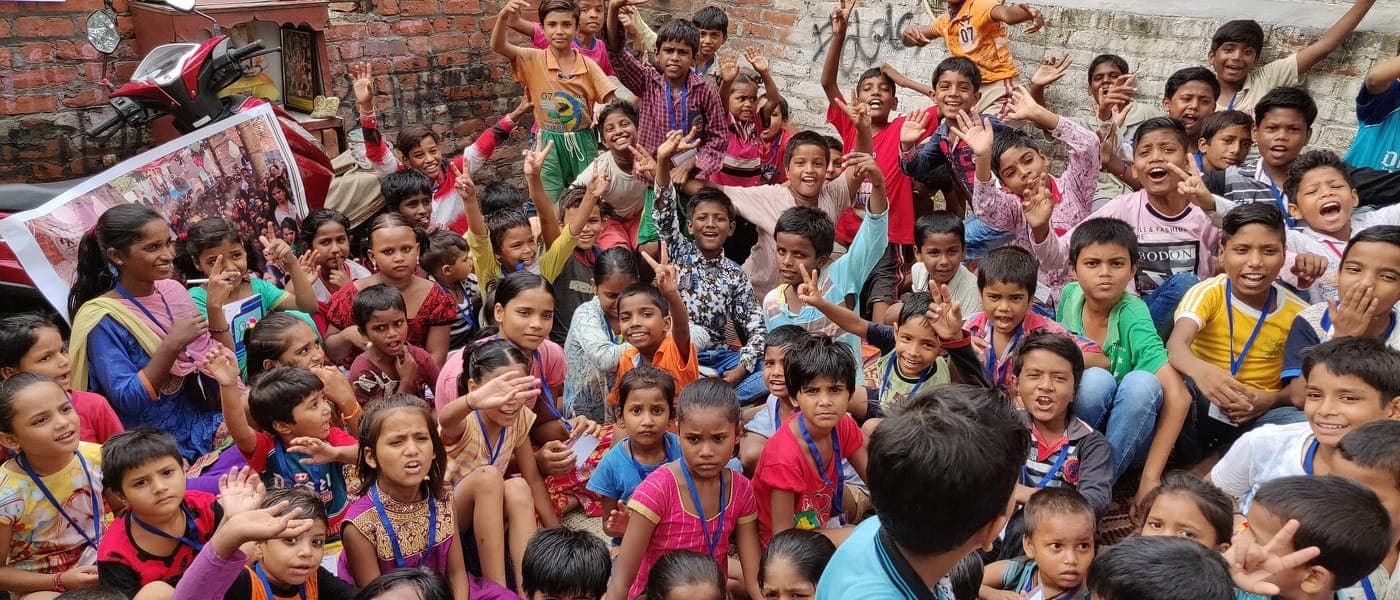 Street-school programme, Delhi
Representative photographs of each sector — not one site photographed twice
An 'Educity' at Narela, a permanent Sports University campus at Mundka, and Delhi's first Sainik School — all committed in the 2026–27 budget, alongside ₹10 crore for AI in assessment and ₹5 crore for medical rooms in every government school.
Programmes of the current government, with the progress figure each one has actually published. Filter by status; every row links to its source.
370 neighbourhood health centres are running; 750 more are funded in this budget, each carrying digital records and free diagnostics.
75 schools now run on the NEP 2020 model. Education takes the largest single share of the budget at 18.64%.
A monthly transfer of ₹2,500 to eligible women aged 21–59 in BPL and EWS households. Registration is open on the state portal.
28 sewage treatment plants upgraded and 2.2 million tonnes of silt removed, against the largest single share of the green budget.
Subsidised meals at 71 canteens, serving roughly 71,000 people a day across the city.
50,000 cameras funded for this year, alongside ₹50 crore to light identified dark spots.
In force to 31 March 2030. From January 2027 only electric three-wheelers may be registered; from April 2028, only electric two-wheelers.
The state top-up now extends cashless cover to the transgender community, alongside 1,000 e-auto permits reserved for women and 100 for transgender applicants.
A screening panel of 56 tests for every newborn in a government facility, aimed at catching congenital conditions early.
Seat of the Mughal capital; the address to the nation is still delivered from its ramparts every Independence Day.
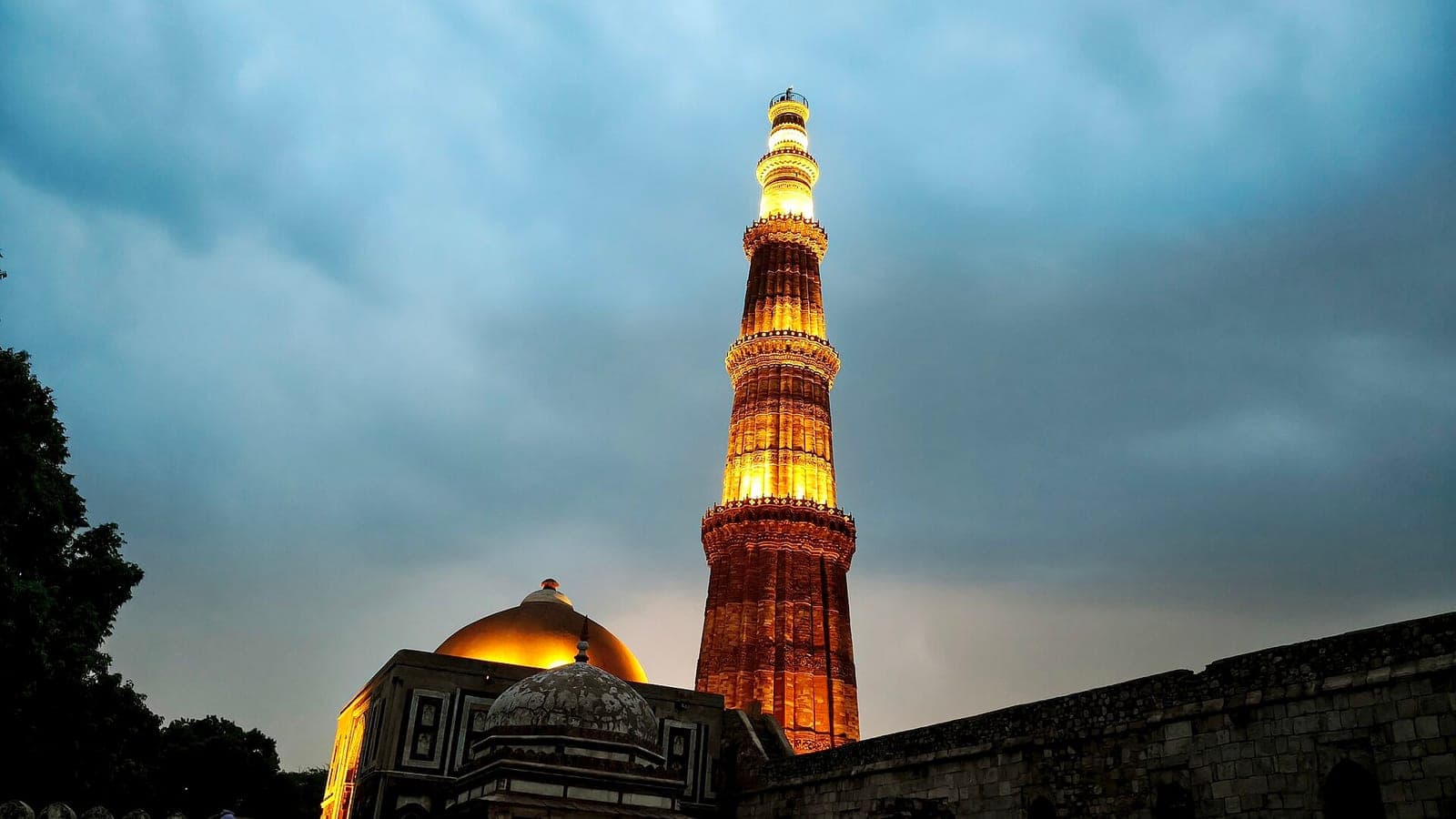
The tallest brick minaret in the world, standing over Delhi's oldest surviving urban layer.
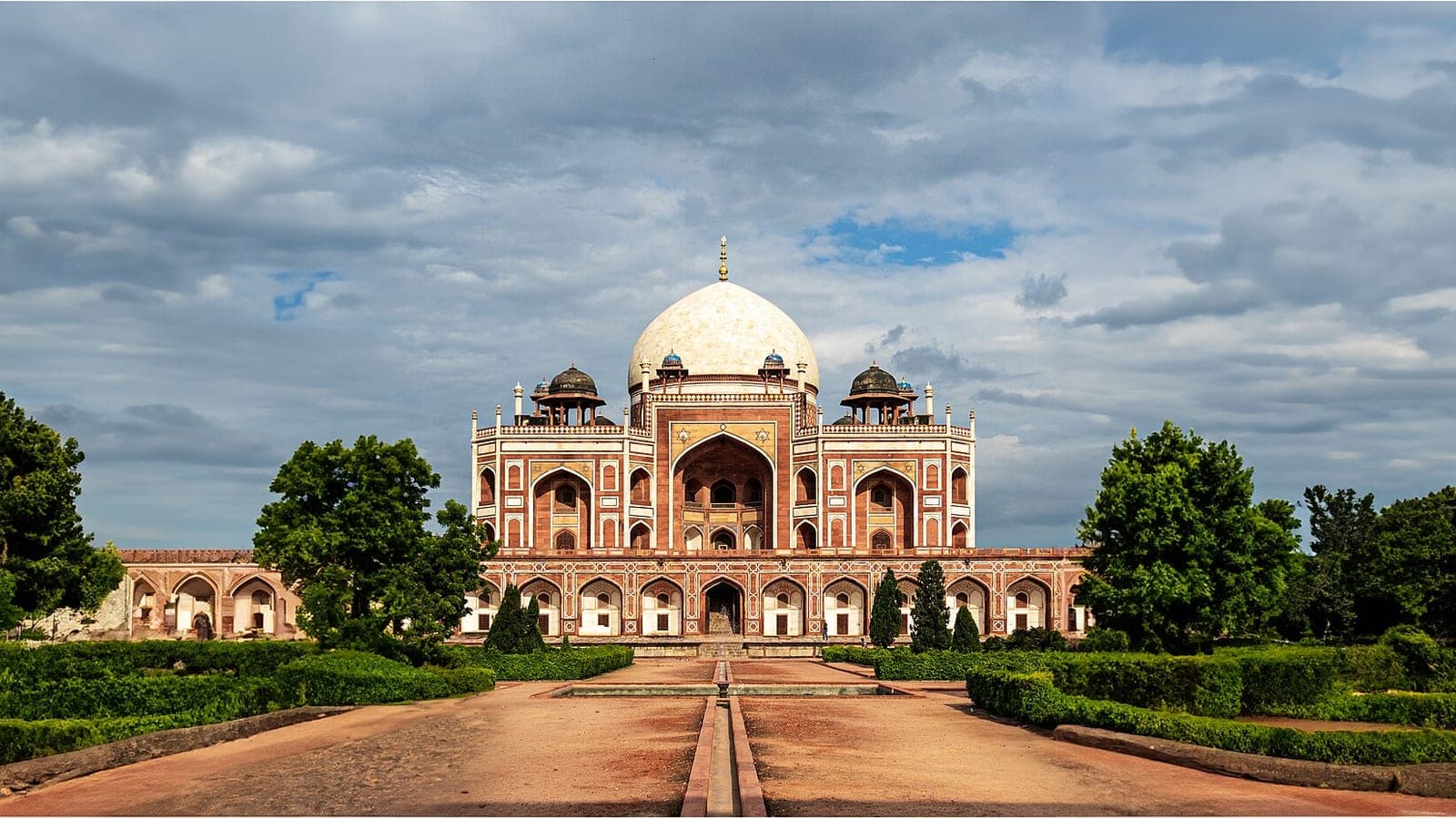
India’s first garden-tomb — the prototype that eventually produced the Taj Mahal.
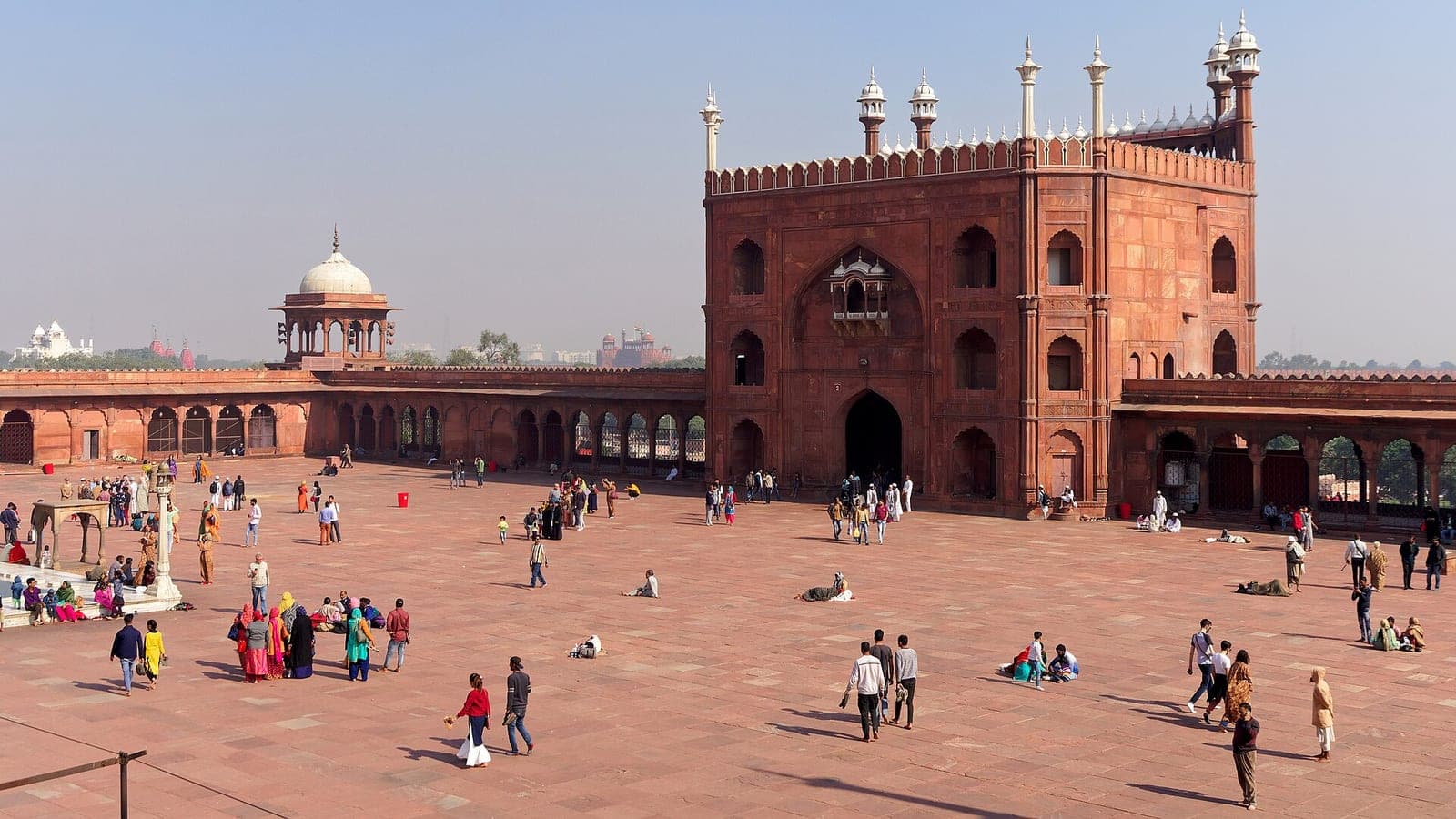
The social centre of the old city — a courtyard that holds twenty-five thousand people.
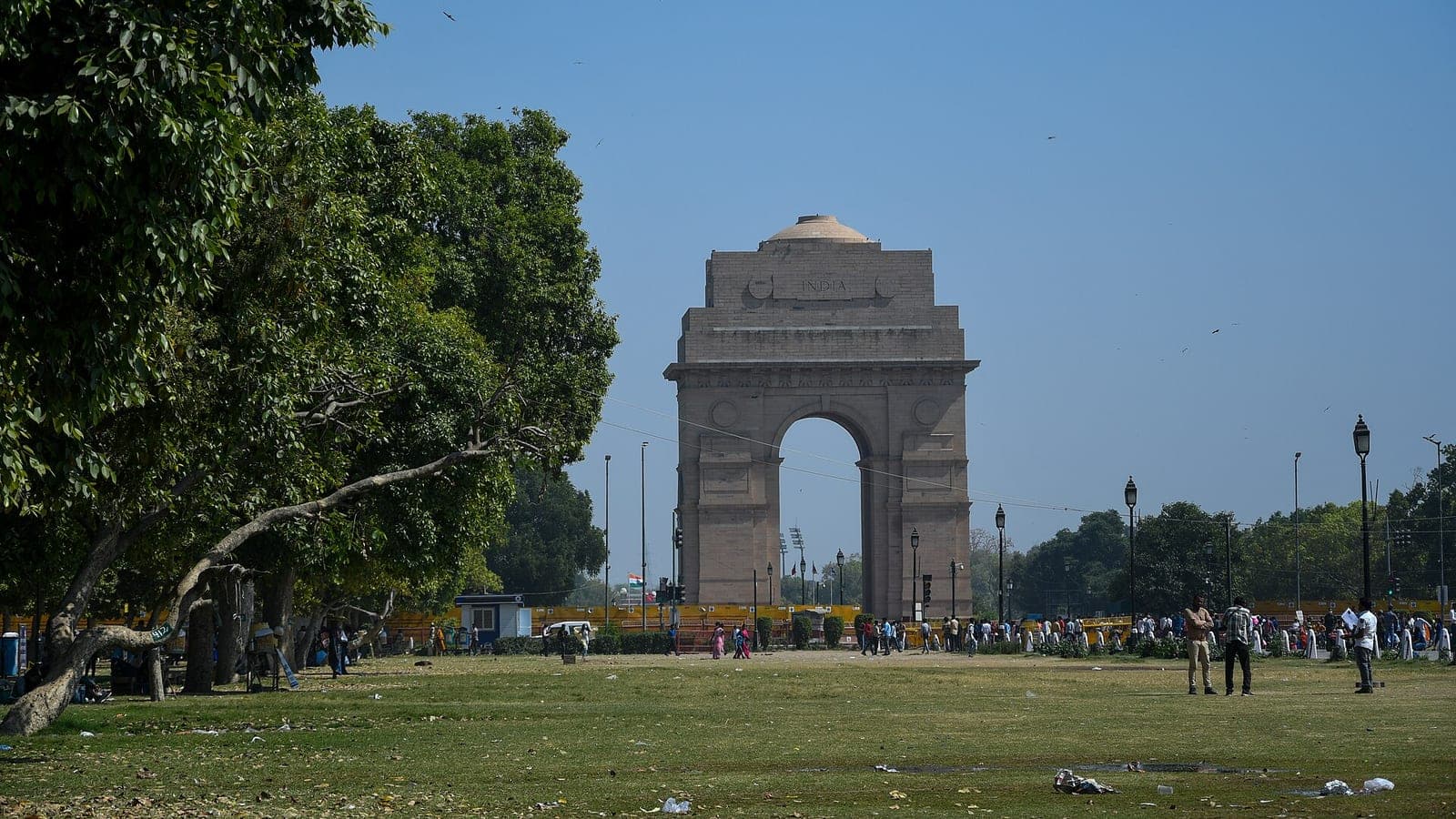
The axis of Lutyens' Delhi, now the city's largest public living room.
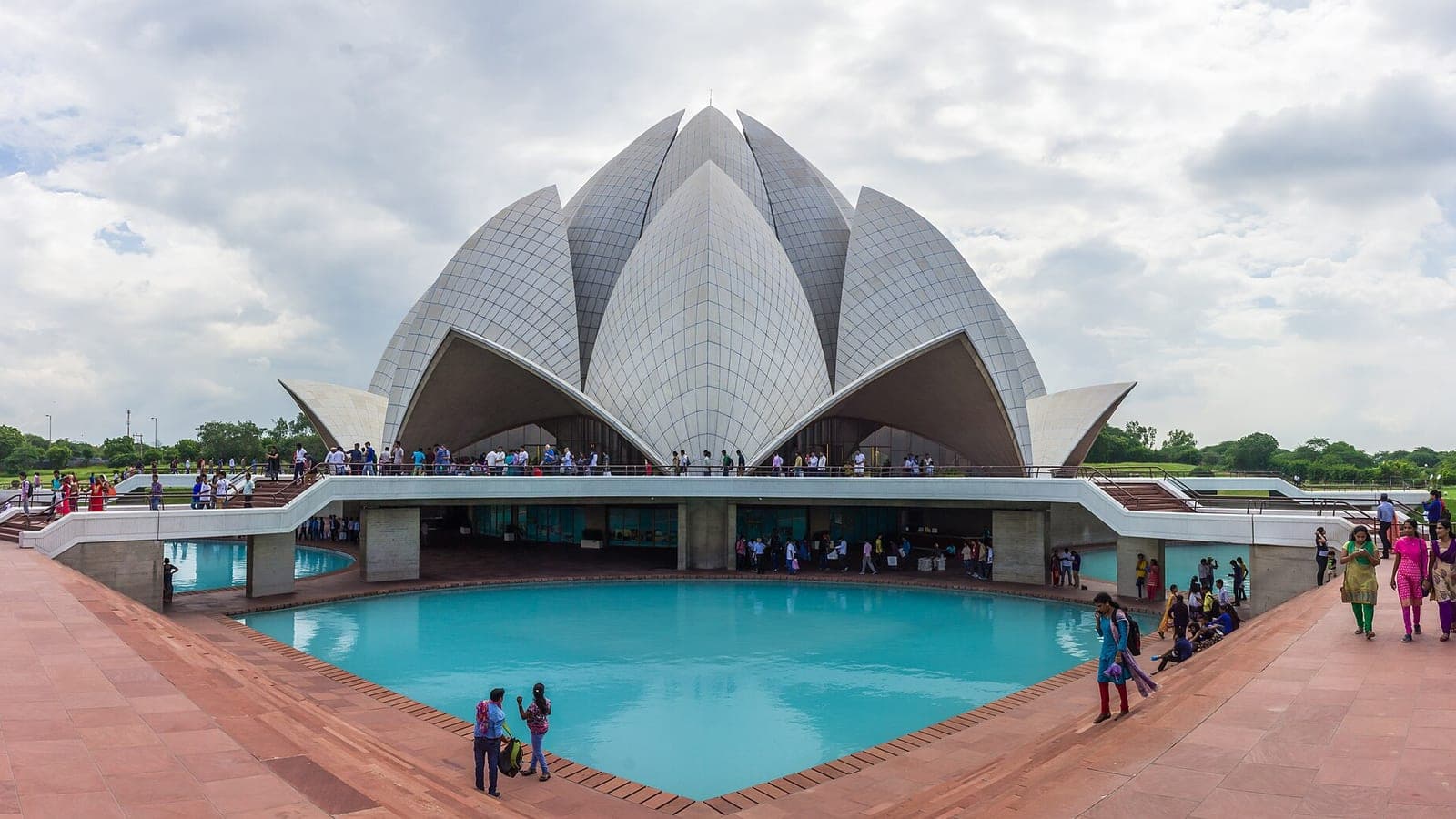
Modern Delhi's quietest building, and among the most visited structures on earth.
Six sectors, each with live projects, allocations and the next milestone.
Fares, house tax, application status and licences — the most-searched tasks on the live portal.
News, notifications, tenders and recruitment — dated and sized, the way the live portal publishes them.
Some of Delhi's experiments — the 1998 CNG conversion, and now EV Policy 2.0 — have become reference cases for cities well beyond India.